The California Condor's Incredible Comeback Story
BIRDS
11/24/20253 min read
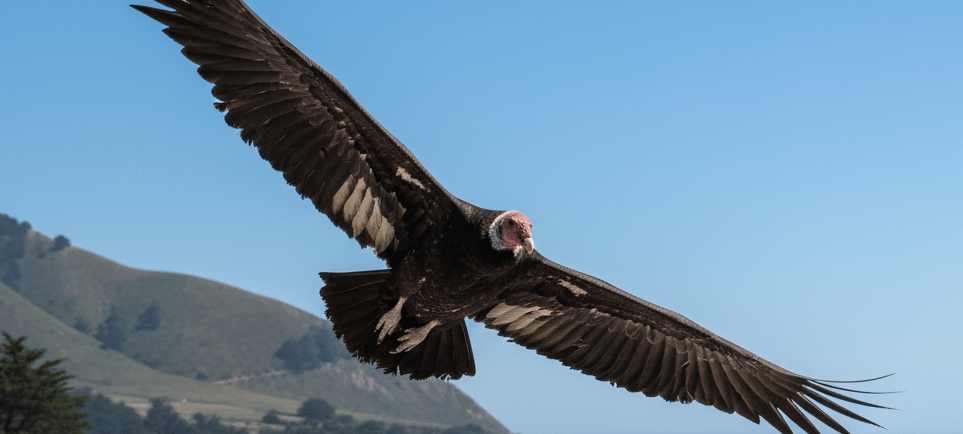
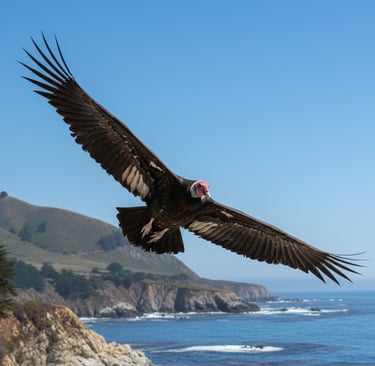
If you've ever wondered whether conservation efforts really work, the California condor's story will restore your faith in humanity's ability to protect endangered species. This magnificent bird went from just 27 individuals in the wild to over 500 today—a turnaround that scientists once thought impossible.
When Things Looked Hopeless
Back in the 1980s, the California condor was circling the drain. These massive birds, with wingspans reaching nearly 10 feet, had been pushed to the brink by habitat loss, lead poisoning, and poaching. By 1987, wildlife experts made a controversial decision that shocked many people: they captured every single remaining wild condor. All 27 of them.
The plan was bold and risky. Bring them into captivity, breed them carefully, and hopefully release their offspring back into the wild. Many critics thought it would never work. Some believed removing the last wild condors would doom the species forever.
The Long Road Back
Breeding California condors in captivity turned out to be harder than anyone expected. These birds don't reach sexual maturity until they're about six years old, and they typically only lay one egg every other year. Talk about taking things slow!
But conservationists got creative. They discovered that if they removed a condor's first egg (placing it in an incubator), the pair would often lay a second one. This technique, called double-clutching, helped boost breeding numbers significantly. By the mid-1990s, scientists felt confident enough to start releasing captive-bred condors back into their native habitats in California and Arizona.
Small Victories Add Up
The released birds faced plenty of challenges. Some didn't survive their first year of freedom. Others had trouble finding food or avoiding power lines. Lead poisoning remained a major threat, as condors would feed on animals shot with lead ammunition.
Still, the program kept pushing forward. Wildlife teams tracked every bird, provided supplemental feeding when needed, and worked tirelessly to address each new obstacle. States began banning lead ammunition in condor habitat areas. Ranchers partnered with conservation groups to protect nesting sites.
Slowly but surely, the population grew. In 2002, the first wild-born chick hatched in California since the captive breeding program began. That moment felt like a miracle to everyone who'd worked so hard to save these incredible birds.
Where We Are Today
Today, more than 500 California condors soar across the skies of California, Arizona, Utah, and even parts of Mexico. About half of them live in the wild, with the rest in captivity as part of the breeding program. While they're still critically endangered, their numbers continue to climb each year.
You can actually see wild condors if you visit places like Big Sur, the Grand Canyon, or Pinnacles National Park. Watching one of these giant birds glide effortlessly on thermal currents is an unforgettable experience. Their size alone is breathtaking—they're the largest flying birds in North America.
What We've Learned
The California condor recovery program taught conservationists valuable lessons about saving endangered species. It showed that even when things look hopeless, dedicated effort and creative problem-solving can turn things around. It also highlighted how important it is to address root causes, like lead ammunition, rather than just treating symptoms.
Perhaps most importantly, this comeback story reminds us that wildlife conservation requires patience and long-term commitment. The condor program has cost hundreds of millions of dollars and involved thousands of people over decades. But seeing these magnificent birds reclaim their place in the wild? That's absolutely priceless.
The California condor still faces challenges, but their story proves that extinction doesn't have to be inevitable. With enough determination and cooperation, we really can bring species back from the edge.
Love reading about amazing wildlife recoveries? Head over to rarelifeforms.com for more inspiring stories about rare and endangered species fighting their way back from the brink. You'll find in-depth articles, conservation updates, and everything you need to know about the world's most extraordinary animals.
Contact
© 2025. All rights reserved.