The Corpse Flower: World's Largest and Smelliest Bloom
FLOWER
11/23/20253 min read
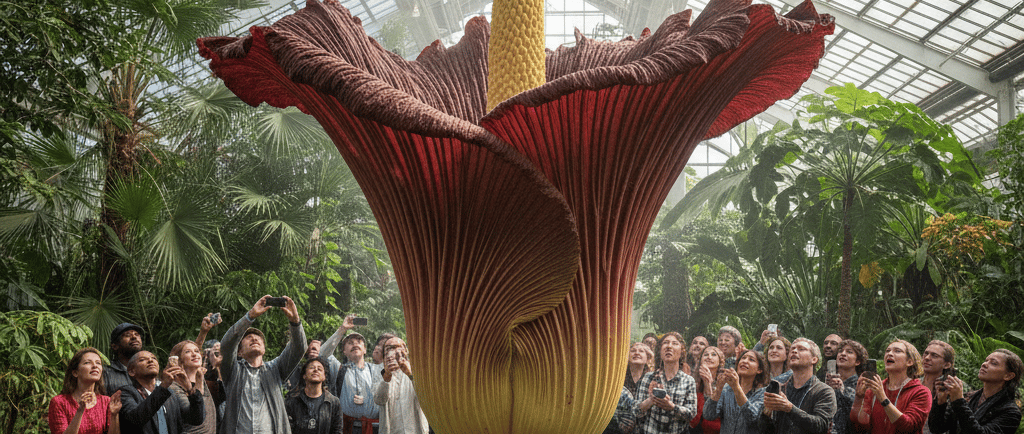
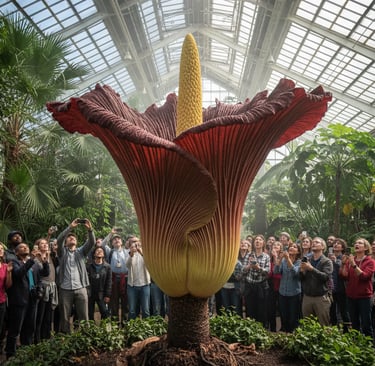
If you've ever wondered what it's like to witness nature's most dramatic diva, let me introduce you to the corpse flower. This isn't your grandma's rose garden variety – we're talking about a plant so audacious that it literally smells like death and draws crowds of thousands when it blooms.
What Exactly Is a Corpse Flower?
The corpse flower, scientifically known as Amorphophallus titanum, hails from the rainforests of Sumatra, Indonesia. With a name that translates to "giant misshapen phallus" (yes, really), this botanical marvel holds the title for the world's largest unbranched inflorescence. In plain English? It's got the biggest flower structure of any plant that doesn't branch out.
These bizarre beauties can tower over 10 feet tall and weigh more than 200 pounds when in full bloom. The "flower" you see is actually a specialized leaf called a spathe that wraps around a central spike, creating what looks like a massive, deeply burgundy-colored trumpet.
The Infamous Stench: Why Does It Smell So Bad?
Here's where things get interesting – and pungent. The corpse flower earned its morbid nickname honestly. When it blooms, it releases a smell that's been compared to rotting flesh, sweaty gym socks, and spoiled cabbage all rolled into one unforgettable aroma.
But there's method to this malodorous madness. In its native Sumatran jungle, the corpse flower relies on carrion beetles and flesh flies for pollination. These insects are naturally attracted to the smell of decay, thinking they've found a perfect spot to lay their eggs. Instead, they pick up pollen and unknowingly help the plant reproduce. Talk about nature's bait-and-switch!
The stink is most potent during the first 8-12 hours of blooming, typically intensifying at night when pollinators are most active. The plant even generates heat – up to 98°F – to help broadcast its signature scent across the rainforest.
A Bloom Worth Waiting For
If you're thinking about growing your own corpse flower, you'll need patience. Lots of it. These plants take seven to ten years (sometimes longer!) to produce their first bloom from seed. Even more frustrating? Each bloom only lasts 24 to 36 hours before it collapses.
After that brief flowering, the plant goes dormant for months or even years before blooming again. This unpredictability is part of what makes corpse flower blooms such major events at botanical gardens worldwide. When one is about to bloom, gardens send out alerts, and plant enthusiasts flock to witness the spectacle – smell and all.
Corpse Flowers in Cultivation
While corpse flowers grow wild in Sumatra (though they're endangered in their native habitat), many botanical gardens around the world successfully cultivate them. The first documented blooming in cultivation happened at Kew Gardens in London back in 1889, causing quite a sensation.
Today, you might catch a corpse flower bloom at gardens across the United States, including the U.S. Botanic Garden in Washington D.C., the Huntington Library in California, or the Chicago Botanic Garden. These institutions often livestream the blooming process, so you can experience the visual drama even if you can't smell the, um, "fragrance."
Why We're Fascinated
There's something irresistible about the corpse flower's combination of beauty and grotesqueness. It's a reminder that nature doesn't always play by our rules of what's pleasant or appealing. This plant evolved to thrive in its specific ecosystem, even if that means smelling absolutely terrible by human standards.
The corpse flower also represents something increasingly rare: a true botanical event. In our world of instant gratification, waiting years for a bloom that lasts barely a day feels almost radical. Maybe that's why when one finally opens, people line up for hours just to catch a glimpse – and a whiff.
So next time you hear about a corpse flower blooming near you, consider making the trip. Yes, it smells like a horror movie. But it's also one of the most extraordinary sights in the plant kingdom. Just maybe bring a clothespin for your nose.
If the corpse flower amazed you, wait until you see what else nature has up its sleeve. Dive deeper into the world's most unusual and rare species at rarelifeforms.com!
Contact
© 2025. All rights reserved.