The Ghost Orchid: A True Botanical Mystery
FLOWER
11/23/20253 min read
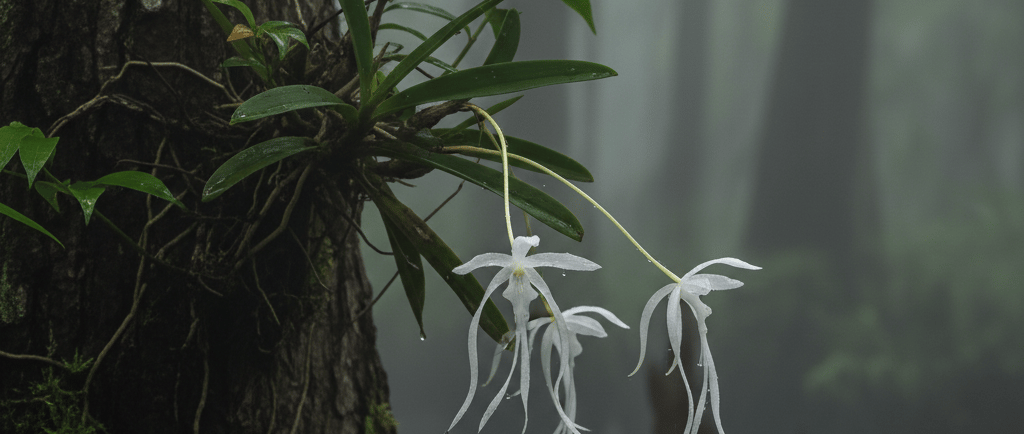
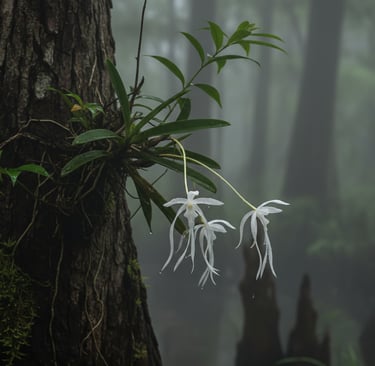
If you've ever heard whispers about a flower so rare it's practically invisible, you're probably thinking of the ghost orchid. This enigmatic beauty has captivated botanists, plant enthusiasts, and even inspired a bestselling book. But what makes this orchid so special, and why does it feel more like legend than reality?
What Exactly Is a Ghost Orchid?
The ghost orchid (Dendrophylax lindenii) is a leafless, rootless wonder that seems to float in mid-air when it blooms. Found primarily in the swamps of Florida and Cuba, this perennial orchid doesn't look like your typical houseplant. Instead of traditional roots, it has green photosynthetic roots that cling to tree bark, making the plant nearly invisible until those spectacular white flowers appear.
The blooms themselves are otherworldly. Picture delicate white petals that look like a frog in mid-leap or a ghost hovering in the darkness. They only appear for a few weeks between June and August, and even then, not every plant blooms every year. Talk about playing hard to get!
Why Is It So Rare?
Here's where things get interesting. The ghost orchid has very specific needs that make it incredibly difficult to find and even harder to cultivate. First, it requires the perfect humidity levels found in old-growth cypress swamps and hardwood hammocks. These habitats are disappearing fast due to development and climate change.
Second, the ghost orchid relies on a single pollinator: the giant sphinx moth. Without this particular moth, the orchid can't reproduce. It's a relationship that's both beautiful and precarious. If something happens to the moth population, the ghost orchid's future becomes even more uncertain.
The plant also takes years to mature. We're talking about a decade or more before a ghost orchid even thinks about producing its first bloom. In our instant-gratification world, that kind of patience is almost unheard of.
The Poaching Problem
Unfortunately, rarity breeds obsession. The ghost orchid has become a target for plant poachers willing to trek through snake-infested swamps for a chance to own this botanical unicorn. Some collectors will pay thousands of dollars for a single specimen, which has led to aggressive poaching that threatens wild populations.
Florida has made ghost orchid poaching a felony, but enforcement in remote swamp locations is challenging. Conservation groups are working hard to protect known populations, but the secretive nature of these plants makes it difficult to know exactly how many exist in the wild.
Can You Grow a Ghost Orchid at Home?
I hate to be the bearer of bad news, but growing a ghost orchid at home is nearly impossible for most people. These plants need extremely high humidity, specific temperature ranges, and the exact right host tree. Even experienced orchid growers struggle to keep them alive outside their natural habitat.
That said, some botanical gardens and conservation centers have had success with controlled environments. The Naples Botanical Garden in Florida has managed to get ghost orchids to bloom in captivity, giving visitors a rare chance to see these flowers without disturbing wild populations.
Where to See a Ghost Orchid
If you're determined to spot a ghost orchid in the wild, your best bet is visiting protected areas in South Florida during blooming season. Fakahatchee Strand Preserve State Park and Corkscrew Swamp Sanctuary are two places where ghost orchids have been documented. Just remember: look but don't touch, and never remove plants from their natural habitat.
Many parks offer guided swamp walks with naturalists who know where to find these elusive orchids. Going with an expert dramatically increases your chances of actually seeing one, since they know exactly where to look and when conditions are right for blooming.
The Future of the Ghost Orchid
Climate change, habitat loss, and poaching all threaten the ghost orchid's survival. Conservation efforts are underway, including habitat protection and captive breeding programs. Scientists are studying the orchid's relationship with its pollinator and working to understand what conditions trigger blooming.
The ghost orchid reminds us that some things in nature are worth protecting precisely because they're rare and difficult. Not everything needs to be domesticated or made accessible. Sometimes the best way to appreciate something is to know it exists out there, thriving in its own mysterious way.
Have you ever seen a ghost orchid in person, or is it on your botanical bucket list? This flowering phantom continues to intrigue plant lovers around the world, proving that sometimes the most fascinating flowers are the ones that remain just out of reach.
Want to discover more botanical mysteries and rare species? Visit rarelifeforms.com to explore fascinating articles about the world's most elusive plants, animals, and ecosystems. From endangered orchids to cryptic creatures, we're documenting the planet's most extraordinary life forms before they disappear.
Contact
© 2025. All rights reserved.