The Golden Poison Dart Frog: Beautiful but Deadly
REPTILES
11/24/20253 min read
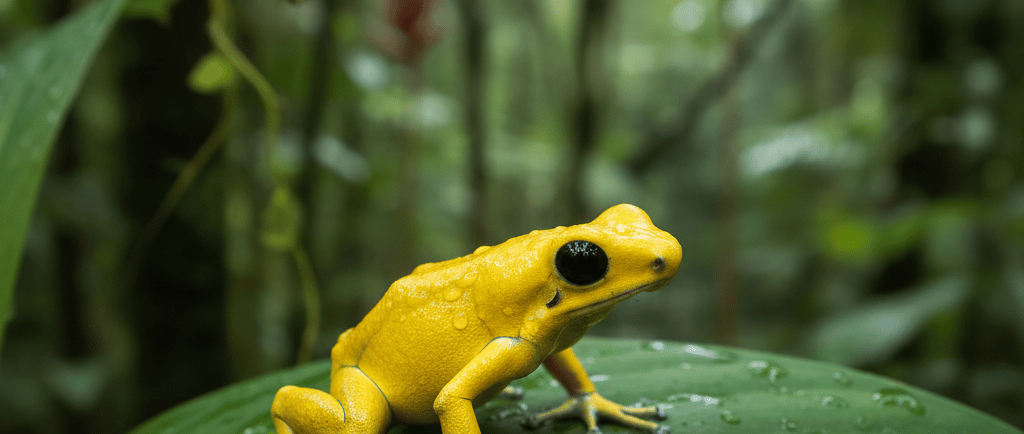
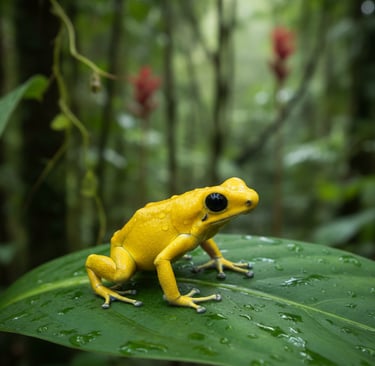
If you've ever seen pictures of the golden poison dart frog, you probably thought the same thing I did: "Wow, that's stunning!" With its brilliant yellow skin that practically glows, this tiny amphibian looks like something straight out of a fantasy movie. But here's the thing—this gorgeous little creature is one of the most toxic animals on Earth.
Let me tell you why this frog fascinates me so much, and why it should probably stay far, far away from all of us.
What Makes the Golden Poison Dart Frog So Special?
The golden poison dart frog (Phyllobates terribilis, if you want to get scientific about it) lives in the rainforests of Colombia's Pacific coast. These frogs are tiny—we're talking about 2 inches long at most. You could literally hold one in the palm of your hand. Well, you could, but you definitely shouldn't.
What really sets these frogs apart is their color. That bright golden-yellow skin isn't just for show. It's nature's way of screaming "DANGER! DO NOT TOUCH!" And trust me, you should listen.
Just How Deadly Are We Talking?
Here's where things get wild. A single golden poison dart frog carries enough toxin to kill 10 grown adults. Some scientists say it could even kill up to 20 people. One frog! The poison, called batrachotoxin, is so potent that indigenous Colombian tribes have used it for centuries to poison the tips of their blow darts for hunting. That's actually how these frogs got their name.
The craziest part? You don't even have to eat the frog to be in danger. Simply touching one can be deadly if the toxin gets into your bloodstream through a cut or scratch. The poison attacks your nervous system, causing muscle paralysis, heart failure, and death within minutes if you're exposed to enough of it.
Where Did All That Poison Come From?
Now here's something interesting—golden poison dart frogs aren't actually born poisonous. Scientists believe they get their toxicity from their diet in the wild. They eat certain insects, particularly small beetles and mites, that contain the chemicals needed to produce their deadly poison. When these frogs are raised in captivity and fed a different diet, they don't develop the same level of toxicity.
It's kind of like how flamingos get their pink color from eating shrimp. Except instead of turning pink, these frogs become walking death capsules. Nature is weird, right?
Life in the Rainforest
Despite being so dangerous, golden poison dart frogs are actually pretty interesting parents. The females lay their eggs on land, and the males guard them until they hatch. Once the tadpoles emerge, the parents carry them on their backs to small pools of water where they can develop into adult frogs.
These frogs are also surprisingly social. Unlike many amphibians that live solitary lives, golden poison dart frogs often live in small groups and are active during the day. They're not shy at all—probably because nothing wants to eat them.
Conservation Concerns
As amazing as these frogs are, they're facing some serious threats. Habitat loss from deforestation is the biggest problem. The rainforests where they live are being cleared for agriculture and development, shrinking the frog's natural range. They're currently listed as endangered, with some populations declining rapidly.
Climate change isn't helping either. These frogs need specific temperature and humidity conditions to survive, and even small environmental changes can have big impacts on their populations.
The Bottom Line
The golden poison dart frog is one of those incredible reminders that some of the most beautiful things in nature can also be the most dangerous. Their bright golden skin is both a warning and a wonder—a tiny package that contains enough poison to drop an elephant but also represents the amazing diversity of life in our rainforests.
So yeah, admire them from a distance, support rainforest conservation efforts, and maybe don't plan on keeping one as a pet. Some things are meant to be appreciated from afar—and the golden poison dart frog is definitely one of them.
What do you think about these deadly beauties? Have you ever seen one in person (safely, behind glass, of course)? The natural world never ceases to amaze me with its contradictions!
Want to learn more about the world's most fascinating and unusual creatures? Visit rarelifeforms.com to discover amazing animals from around the globe, from the depths of the ocean to the heart of the rainforest. Explore rare species, conservation stories, and the incredible biodiversity that makes our planet so special!
Contact
© 2025. All rights reserved.