The Gooty Sapphire Tarantula: A Spider Worth More Than Gold
REPTILES
11/24/20253 min read
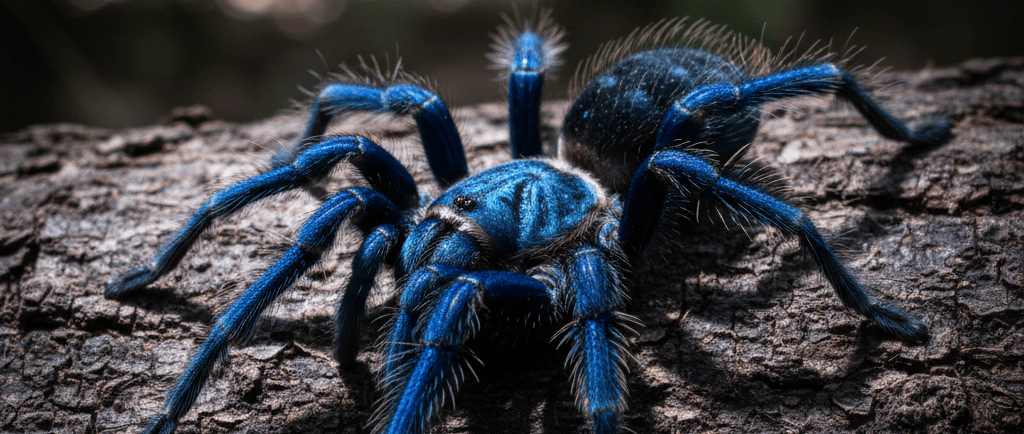
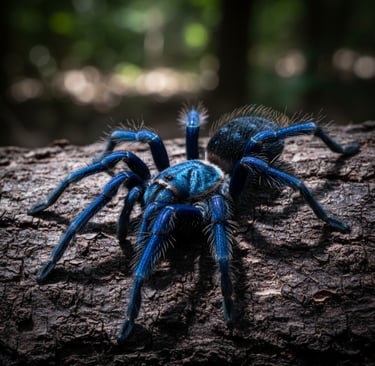
If someone told you a spider could be worth tens of thousands of dollars, you'd probably think they were pulling your leg. But here's the wild truth: the Gooty Sapphire Ornamental Tarantula (yes, that's its real name) can fetch prices that make gold look like pocket change.
This stunning arachnid isn't just expensive because it's rare. It's absolutely gorgeous, with electric blue coloring that looks like someone dipped it in liquid sapphire. And honestly? The name "Goofy" is kind of perfect because the whole situation is delightfully absurd.
What Makes This Spider So Special?
The Gooty Sapphire Tarantula, scientifically known as Poecilotheria metallica, hails from a tiny region in India. We're talking about a spider that exists in just one small forest area in Andhra Pradesh. That's like finding a celebrity who only hangs out in one specific coffee shop.
What really catches your eye is that metallic blue coloring. Under the right lighting, these spiders shimmer with an almost otherworldly glow. The blue isn't just for show either—it comes from special structures on their hairs that reflect light in specific ways. Nature's basically showing off at this point.
These tarantulas are tree-dwellers, which makes them different from many of their ground-loving cousins. They're fast, they're agile, and they build elaborate funnel webs in tree hollows. Watching one move is like seeing a blue lightning bolt with eight legs.
Why Are They So Expensive?
Here's where things get really interesting. The Gooty Sapphire Tarantula is critically endangered in the wild. Habitat loss and deforestation have pushed them to the brink, making wild specimens incredibly rare.
In the exotic pet trade, a single Gooty Sapphire Ornamental can sell for anywhere from $500 to over $10,000, depending on age, sex, and breeding potential. Female specimens tend to command higher prices because they live longer and can produce offspring.
But wait—it gets better. A proven breeding pair? You're looking at potentially $20,000 or more. That's right. Two spiders that could fit in a shoebox together are worth more than most people's cars.
The Conservation Angle
Before you start dreaming about spider-farming your way to riches, there's an important catch. Because these tarantulas are so endangered, there are strict regulations around their trade. Most of the specimens available today come from captive breeding programs, which is actually a good thing for conservation.
The exotic pet hobby, for all its quirks, has actually helped preserve this species. Dedicated breeders have established healthy captive populations, which means less pressure on the wild population. It's one of those rare situations where collecting actually helps conservation efforts.
Living With Liquid Sapphire
If you're thinking about keeping one of these beauties (and have a small fortune lying around), know that they're not beginner pets. Gooty Sapphire Tarantulas are fast, defensive, and pack a venomous bite that, while not deadly to humans, definitely ruins your day.
They need specific humidity levels, temperatures, and vertical space since they're arboreal. You're basically creating a tiny Indian forest in a terrarium. Get it wrong, and your investment (both financial and emotional) suffers.
But for experienced keepers, there's something magical about watching a Gooty Sapphire perched in its web, those blue legs catching the light. It's like having a living jewel in your home.
The Bottom Line
The Gooty Sapphire Ornamental Tarantula proves that nature doesn't need gold and diamonds to create something valuable. Sometimes the most precious things come with eight legs and an attitude problem.
Whether you're a spider enthusiast, a conservation supporter, or just someone who appreciates the weird and wonderful things on this planet, the Gooty Sapphire deserves respect. It's a reminder that biodiversity isn't just important—it's literally priceless.
And if you ever get the chance to see one in person? Consider yourself lucky. You're looking at something rarer and more valuable than most treasures people spend their lives searching for.
Want to learn more about the world's most extraordinary creatures? Visit rarelifeforms.com to discover fascinating stories about endangered species, unusual animals, and the incredible biodiversity worth protecting on our planet.
Contact
© 2025. All rights reserved.