The Middlemist Red: The World's Rarest Flower
FLOWER
11/23/20253 min read

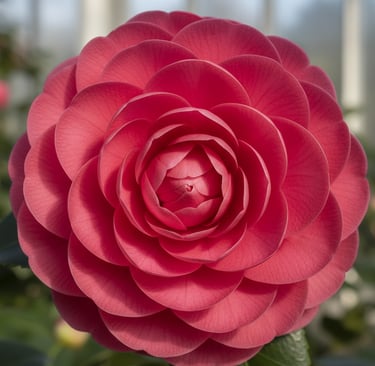
When you think of rare flowers, your mind might drift to exotic orchids or elusive wildflowers hidden in remote rainforests. But there's one bloom that stands above them all in terms of rarity—the Middlemist Red. With only two known plants remaining in the entire world, this stunning camellia has earned its title as the world's rarest flower.
A Flower Nearly Lost to History
The story of the Middlemist Red reads like a botanical mystery novel. This gorgeous flower originally grew wild in China, where it flourished for centuries. But here's where things get interesting—it completely vanished from its native homeland sometime in the 19th century. Nobody knows exactly why, though habitat loss and over-collection likely played their part.
The only reason we still have this flower today is because of a British nursery man named John Middlemist. In 1804, he brought a specimen from China back to England, completely unaware he was rescuing one of the last surviving plants. Talk about being in the right place at the right time!
Where Can You Find the Middlemist Red Today?
If you're hoping to see this rare beauty in person, you've got exactly two options. One Middlemist Red camellia grows at the Chiswick House conservatory in London, England. The other lives thousands of miles away at a greenhouse in New Zealand. That's it. Just two plants between the entire Northern and Southern hemispheres.
These aren't just any garden plants either—they're carefully protected and monitored. Botanists and horticulturists guard them like precious jewels, and rightfully so. They represent the only barrier between the Middlemist Red and complete extinction.
What Makes the Middlemist Red So Special?
Beyond its incredible rarity, the Middlemist Red is actually quite a stunner. Despite its name, the flowers aren't truly red—they're a deep, vibrant pink that almost glows with intensity. The blooms look similar to roses with their layered petals unfurling in perfect symmetry. Each flower measures about two to three inches across and appears glossy, as if someone painted them with a lustrous finish.
The plant itself is a camellia, specifically Camellia japonica, which is known for producing some of the most beautiful ornamental flowers in the gardening world. But while thousands of camellia varieties exist today, none carry the mystique and scarcity of the Middlemist Red.
The Race to Save It
You might wonder why botanists don't just propagate more plants if there are only two left. Well, they're trying! Both conservatories have worked to create cuttings and grow new plants from the originals. The good news is that these efforts have seen some success, meaning there are technically more than two plants now—but they're all genetic clones of the original specimens.
This lack of genetic diversity poses its own challenges. Without variation in the gene pool, the Middlemist Red remains vulnerable to disease and environmental changes. It's a reminder of how fragile our natural world can be and why conservation efforts matter so much.
Why the Middlemist Red Matters
This flower teaches us something important about extinction and preservation. It shows how quickly we can lose something irreplaceable and how a single person's actions—like John Middlemist bringing that plant to England—can make all the difference.
The Middlemist Red has become a symbol in the botanical community for conservation work. It reminds us that some species hang on by the thinnest of threads, and that protecting biodiversity isn't just about saving forests or oceans—sometimes it's about protecting a single plant growing in a greenhouse halfway around the world.
Final Thoughts
The next time you're tending your garden or buying flowers, take a moment to appreciate just how lucky we are to have such incredible diversity in the plant world. The Middlemist Red stands as both a warning and a hope—a warning about what we can lose, and hope that with care and dedication, we can preserve beauty for future generations.
Who knows? Maybe someday this rarest of flowers will bloom again across more gardens. Until then, it remains one of nature's most precious secrets, quietly growing in just two places on Earth.
Want to discover more incredible rare species like the Middlemist Red? Visit rarelifeforms.com to explore fascinating stories about the world's most extraordinary and endangered plants, animals, and creatures. From vanishing flowers to elusive wildlife, we're dedicated to sharing the wonder of nature's rarest treasures!
Contact
© 2025. All rights reserved.