The Spix's Macaw: The Real "Blue" From Rio
BIRDS
11/24/20253 min read
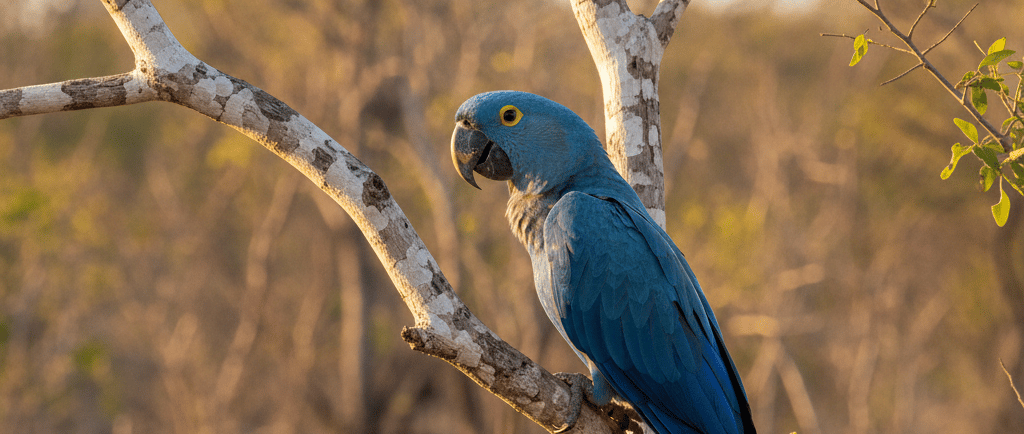
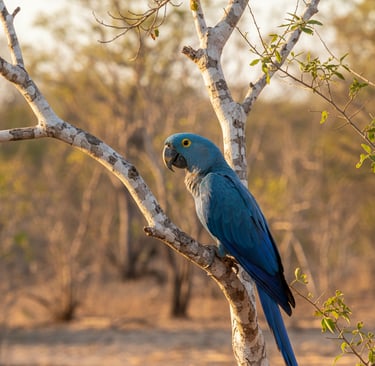
Remember that adorable blue parrot from the movie Rio? The one who couldn't fly and went on an adventure to save his species? Well, that character was based on a real bird—the Spix's Macaw—and its story is even more dramatic than the movie.
Meet the Spix's Macaw
The Spix's Macaw is one of the most stunning parrots you'll ever see. With vibrant blue feathers that shimmer in the sunlight and a greyish-blue head, these birds are absolutely breathtaking. They're smaller than some of their macaw cousins, measuring about 22 inches from head to tail, but what they lack in size, they make up for in beauty.
Native to Brazil, these parrots once called the dry forests and palm groves of northeastern Brazil home. They'd spend their days flying through caraibeira trees, munching on seeds and nuts, and calling to each other with their distinctive squawking voices.
A Heartbreaking Reality
Here's where things get tough. The Spix's Macaw is considered extinct in the wild. Yes, you read that right—extinct. The last known wild Spix's Macaw was spotted in 2000, and since then, these beautiful birds have only existed in captive breeding programs.
What happened? Like so many endangered species stories, it comes down to habitat loss and the illegal pet trade. As humans cleared forests for agriculture and development, the Spix's Macaw lost its home. To make matters worse, their striking appearance made them targets for wildlife traffickers who could sell them for thousands of dollars.
Hope on the Horizon
But wait—don't close this tab in despair just yet! There's actually some incredibly hopeful news about the Spix's Macaw.
Thanks to dedicated conservation efforts, there are now around 180 Spix's Macaws in captive breeding programs around the world. Scientists and conservationists have been working tirelessly to breed these birds and prepare them for eventual release back into the wild.
In 2022, something amazing happened. Eight captive-bred Spix's Macaws were released into their natural habitat in Brazil. It was the first time in over two decades that these brilliant blue birds soared through Brazilian skies. While the journey hasn't been without challenges (some birds didn't survive), it marked a monumental step in bringing the species back from the brink.
What Makes Them Special?
Beyond their movie-star looks, Spix's Macaws are fascinating creatures. They mate for life, forming strong bonds with their partners. In the wild, they'd nest in tree cavities, with females typically laying just two to three eggs per breeding season.
These intelligent birds can live up to 30 years in captivity, giving conservationists a decent window to work with for breeding programs. They're also incredibly social, which is why Blu's loneliness in the movie hit so close to home—these birds really do need companionship.
The Rio Effect
When Rio hit theaters in 2011, it did something remarkable: it brought global attention to a species most people had never heard of. Suddenly, everyone wanted to know about the real Blue. While the movie took creative liberties (real Spix's Macaws can definitely fly!), it sparked conversations about conservation and extinction.
Some critics worried the movie might increase demand for exotic pets, but it mostly seemed to raise awareness about the importance of protecting these birds in their natural habitat rather than keeping them in cages.
What Can We Do?
The Spix's Macaw's story reminds us that extinction doesn't have to be forever. With enough dedication, resources, and scientific know-how, we can bring species back from the edge.
Supporting conservation organizations, spreading awareness, and making sustainable choices in our daily lives all contribute to protecting endangered species. And whatever you do, never buy exotic pets from illegal sources—that trade is what nearly wiped out the Spix's Macaw in the first place.
The real Blue might have had a tougher journey than the animated version, but thanks to people who refused to give up, there's genuine hope that one day, Brazil's skies will be filled with brilliant blue feathers once again.
Now that's a sequel we can all root for.
The Spix's Macaw is just one of countless incredible species fighting for survival. If you loved learning about Blue's real-life inspiration, head over to rarelifeforms.com where you'll find more amazing stories about rare and endangered animals from around the world. Trust me, you'll be hooked!
Contact
© 2025. All rights reserved.