The Story of the Vaquita - The World's Most Dangerous Marine Mammal
ANIMALS
11/20/20253 min read
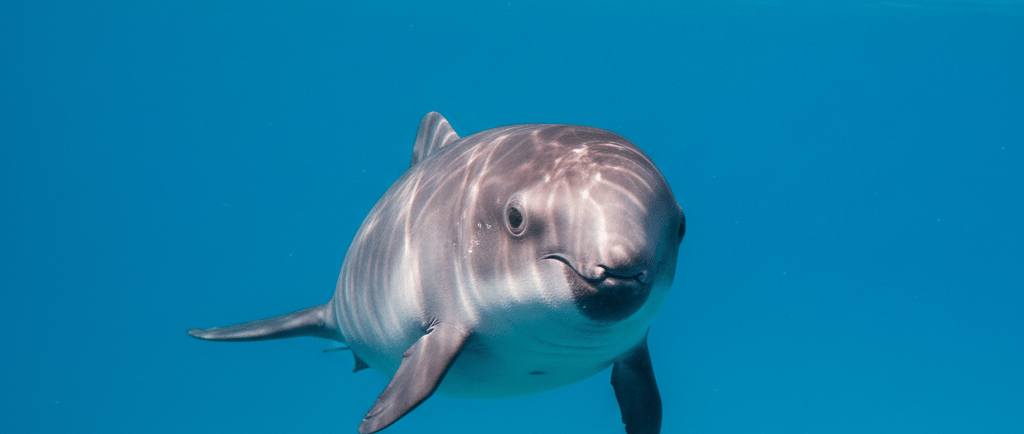
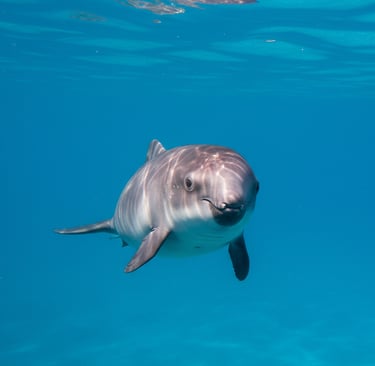
Wait, hold on. Before you start picturing some ferocious, teeth-gnashing sea monster lurking in the depths, let me stop you right there. The vaquita isn't dangerous to us at all. In fact, this shy little porpoise wouldn't hurt a fly (or a fish, unless it's dinner time). The real danger? We're the ones putting them in mortal peril.
Meet the Vaquita: The Ocean's Shyest Resident
The vaquita (pronounced vah-KEE-tah) is the world's smallest porpoise, measuring just four to five feet long. These adorable creatures have dark rings around their eyes that make them look like they're wearing tiny masks, and their little upturned mouths give them a permanent smile. They're basically the pandas of the sea—rare, precious, and heartbreakingly close to disappearing forever.
Here's the kicker: vaquitas only live in one place on Earth. That's right, one single spot—the northern part of the Gulf of California in Mexico. Nowhere else. If you want to see a vaquita in the wild (and good luck with that), you'd better book a trip to the Sea of Cortez.
Why "Dangerous" Doesn't Mean What You Think
So why call them dangerous? Because their story is a dangerous warning sign for our oceans. The vaquita population has crashed so dramatically that fewer than 10 individuals may remain alive today. Read that again—fewer than 10. In the entire world.
Back in 1997, scientists estimated there were about 600 vaquitas swimming around. By 2016, that number had plummeted to just 30. And now? We're talking single digits. This isn't just endangered; this is standing on the edge of extinction with one foot already over the cliff.
The Gillnet Tragedy
Vaquitas don't die from pollution or climate change alone (though those don't help). Their biggest threat comes from illegal fishing operations using gillnets to catch a fish called the totoaba. The totoaba's swim bladder is worth a fortune on the black market in China, where it's prized for supposed medicinal properties.
These gillnets are invisible death traps for vaquitas. The porpoises get tangled in the nets, can't reach the surface to breathe, and drown. It's heartbreaking and completely preventable—but illegal fishing continues because the money is just too good.
Racing Against Time
Mexican authorities have tried everything: fishing bans, navy patrols, even paying fishermen to switch to vaquita-safe fishing methods. Conservation groups have poured millions into rescue efforts. Activists like the late "Crocodile Hunter" Steve Irwin's family have raised awareness globally.
There was even an ambitious (and ultimately unsuccessful) attempt to capture vaquitas and breed them in protected environments. Turns out these shy creatures are so sensitive that the stress of capture proved too much. The mission was called off after one vaquita died during the rescue attempt.
What Makes This Story So Dangerous
The vaquita's plight is dangerous because it shows us exactly how quickly we can lose a species forever. These animals survived for thousands of years in the Gulf of California. Then, in less than three decades of human interference, they're nearly gone.
It's a wake-up call we desperately need to hear. When a species exists in only one location, it's vulnerable. When illegal wildlife trade goes unchecked, animals pay the price. When we don't act fast enough, extinction becomes inevitable.
Is There Still Hope?
Honestly? The outlook is grim. With fewer than 10 vaquitas left, the genetic diversity needed for a healthy population might already be gone. But conservationists haven't given up, and neither should we.
The vaquita's story isn't just about one cute porpoise. It's about all the species teetering on the brink. It's about our oceans, our responsibility, and our legacy. If we can't save the vaquita, what does that say about our commitment to protecting marine life?
The world's most "dangerous" marine mammal isn't dangerous because of what it can do to us. It's dangerous because of what its disappearance says about what we're doing to our planet. And that's a story we should all be paying attention to—before it's too late.
Want to learn more about rare and endangered species like the vaquita? Visit rarelifeforms.com to discover the incredible stories of the world's most unique and threatened creatures. Every species has a tale to tell—and some are running out of time to tell it.
Contact
© 2025. All rights reserved.